
Why Trust What God Will Judge?
January 15
Week 3 – Do Not Trust the Nations
“I, the Lord, will punish the world for its evil and the wicked for their sin. I will crush the arrogance of the proud and humble the pride of the mighty.” Isaiah 13:11 NLT
“For he has set a day for judging the world with justice by the man he has appointed, and he proved to everyone who this is by raising him from the dead.” Acts 17:31 NLT
Why This Section Matters
Isaiah chapter 13 marks a clear turning point in the book.
Up to this point, Isaiah has largely been speaking to Judah about trust under pressure, personal fear, misplaced alliances, and the call to rely on God rather than human strength.
From chapters 13 to 23, the focus widens significantly.
Isaiah now turns his attention to the nations. Powerful empires. Dominant systems. Human structures that people look to for security, identity, and stability.
This section speaks of a deeper truth. What we place our trust in shapes our fear, our hope, and ultimately our future.
The message is not just “do not trust the nations” in a political sense. It is a call to all of us to recognise how easily humanity places its confidence in things that cannot ultimately endure.
And this is why these chapters matter to us today.
Break It Down
As we step into this section of Isaiah, the question becomes more pointed. Why would we trust what God Himself says He will judge?
Isaiah 13 opens with God speaking about judgment on a powerful nation. That language can feel distant or confronting, but underneath it is a very human issue.
Nations represent power, security, systems, influence, and control. They promise stability when life feels uncertain.
But Isaiah makes it clear that no nation, no system, and no human structure is permanent.
The issue is not strength itself. The issue is misplaced trust.
Trust Question
What are you relying on right now to feel secure, and how certain is it really?
God’s Intention
Isaiah is not inviting fear. He is inviting clarity.
We tend to trust what feels solid and dependable. And in everyday life, that often looks like:
• Financial security or long-term plans
• Career progress and professional reputation
• Political outcomes or policy decisions
• Technology, systems, and having options
• Health, routines, or carefully managed lifestyles
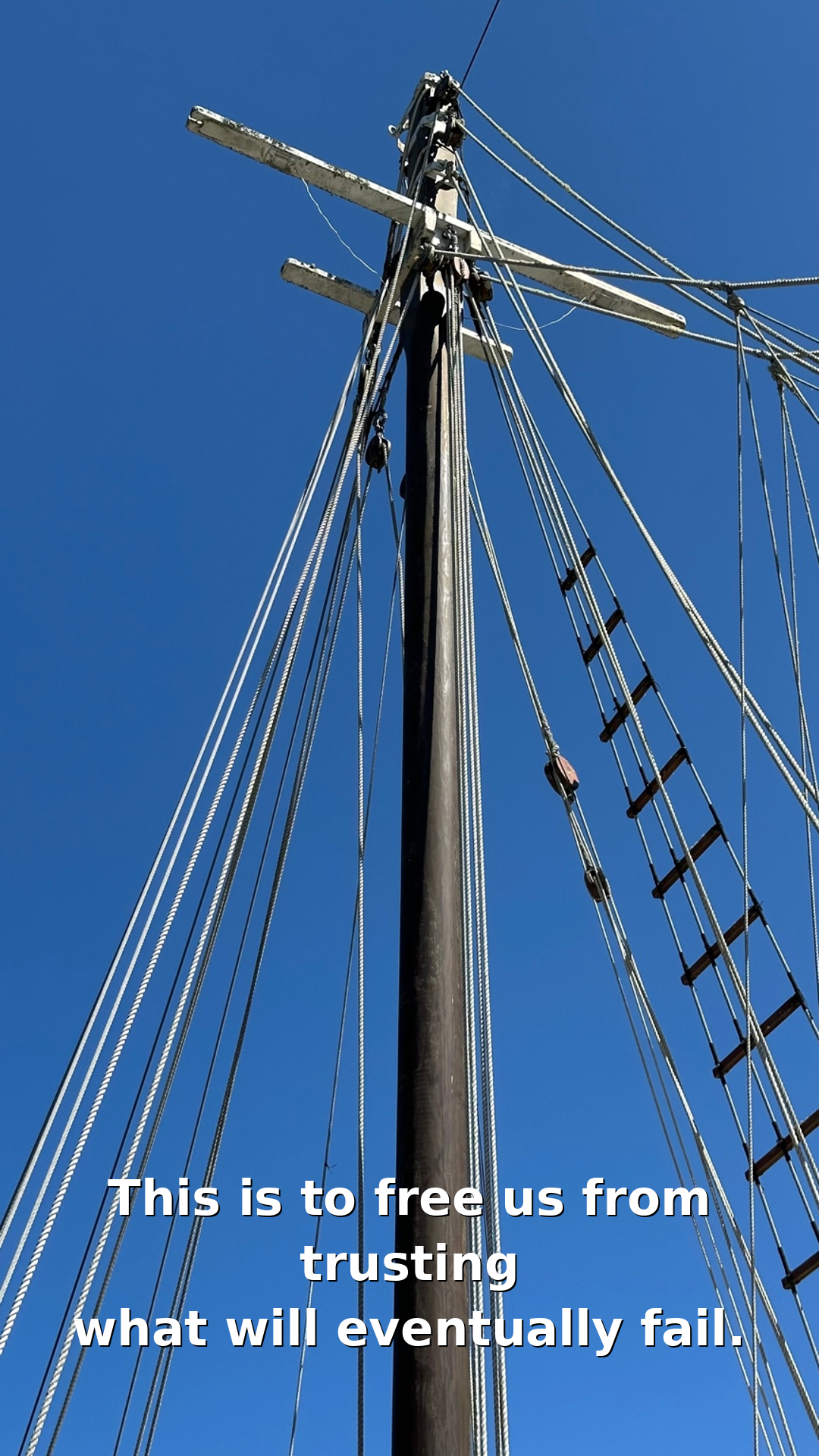
None of these things are evil in themselves. But none of them were meant to carry the weight of our trust. God’s judgment exposes what cannot ultimately be trusted. And this is to free us from trusting what will eventually fail.
The problem is not preparation. It is dependence.
Weave It In
Paul echoes this same truth when he speaks in Athens.
He reminds his listeners that history is moving toward a day when God will judge the world with justice through Jesus Christ. And that statement reframes everything.
If Jesus stands at the centre of history, then no nation, system, or human solution can take His place.
Acts 17 is not meant to frighten us. It is meant to bring perspective. If God will one day judge the very things we are tempted to trust in, then trusting them now will always leave us unsettled.
Trusting God, however, anchors us in what will not pass away.
Practice for Today
Take time today to reflect honestly. When pressure rises:
• What do you instinctively cling to?
• What makes you feel secure about the future?
• What would shake you the most if it were taken away?
Ask God to reveal where your trust may have drifted. Not to condemn. But to put Him at the centre for you.
Prayer
Father God, You know how easily we trust what feels strong and predictable. You see how quickly we lean on systems, plans, and outcomes instead of You.
Give us clarity. Teach us to trust You above all else. And anchor our lives in what will endure. In Jesus name we pray, Amen.