
Seeking the King
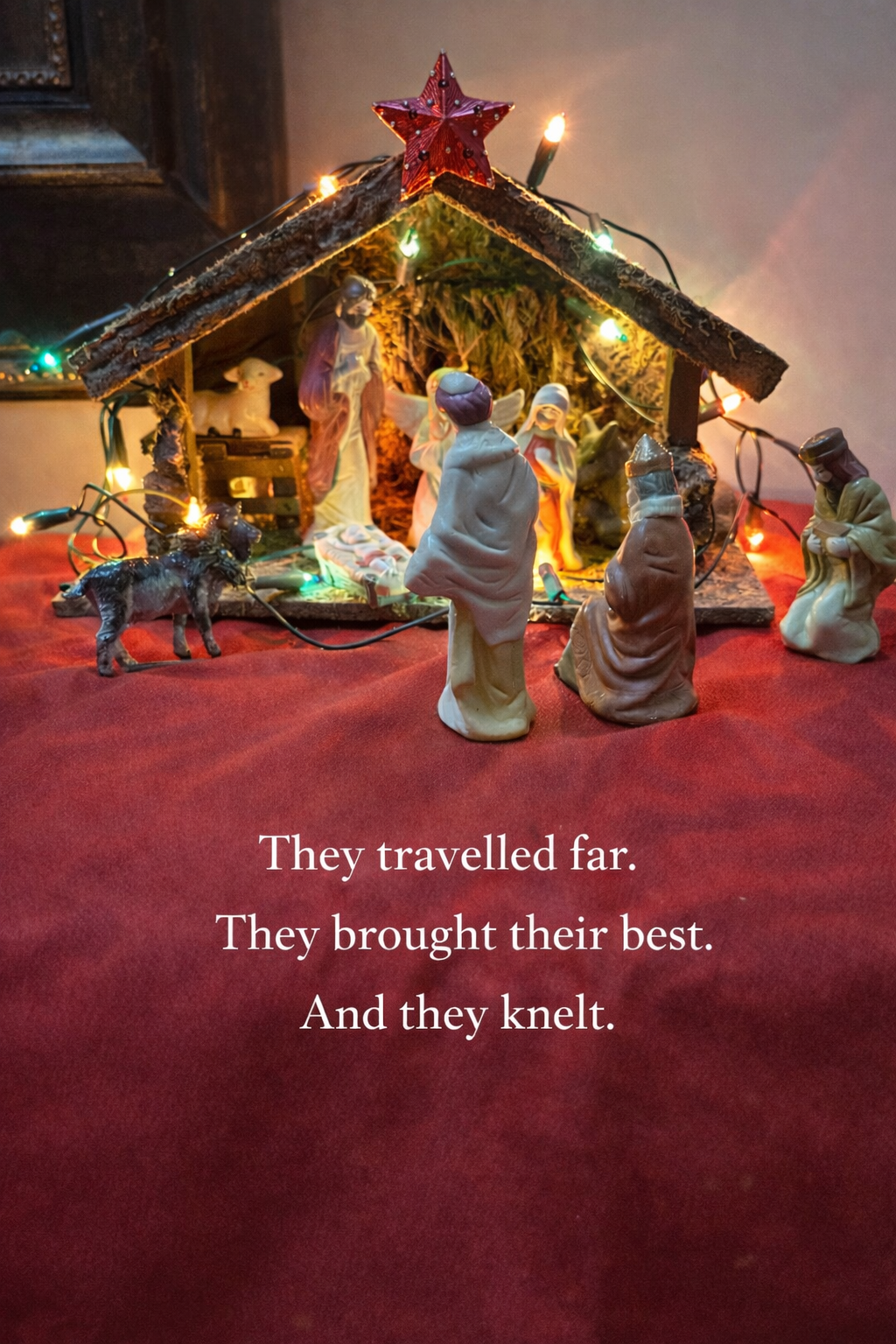
And the star they had seen in the east guided them to Bethlehem. It went ahead of them and stopped. Matthew 2:9–11
This moment with the Magi is not a postscript to Christmas. It is the widening of the wonder. The story moves from shepherds on nearby hills to seekers from far away. From the ordinary to the learned. From Israel to the nations. And yet the response is the same, they come to worship.
Who were the Magi?
The Magi were not kings, despite tradition calling them that. They were wise men, scholars, astrologers, priests, men trained to read the heavens and interpret signs. Most likely they came from the East, Babylon or Persia, regions known for astronomy, learning, and ancient texts.
What is remarkable is this, these men were outsiders to Israel’s covenant, yet they were watching and waiting. Somehow, through ancient prophecies, likely inherited from Jewish exiles such as Daniel, they were alert to the promise of a coming King.
They were not accidental visitors. They were attentive seekers.
What do we know about the journey?
This was no short trip.
The journey would have taken months, possibly more than a year, across deserts and foreign lands. It required resources, resolve, and risk. They travelled because they were convinced that what they had seen in the heavens was worth rearranging their lives for.
They did not know all the answers. They simply knew they had to go.
And when they finally arrived, Jesus was no longer a newborn in a manger. Matthew tells us they entered a house. Jesus is now a young child, perhaps one to two years old. Yet the wonder had not faded.
What about the gifts?
The gifts are not random. They are deeply symbolic, even if the Magi themselves only partly understood their meaning.
Gold — a gift fit for a King.
Frankincense — used in worship, pointing to divinity and priesthood.
Myrrh — associated with burial, hinting at suffering and death.
These men come to honour a child, yet they bring gifts that speak of kingship, worship, and sacrifice.
Without sermons or explanations, their gifts testify to who this child truly is.
The moment of encounter
Matthew tells us something quietly staggering:
“When they saw the child with his mother Mary, they bowed down and worshiped him.” (Matthew 2:11)
These were men of learning, status, and reputation. And yet they fall to their knees before a small child.
No miracles are recorded. No words from Jesus are spoken. No heavenly voices break the silence. And still, they worship. Why?
Because true worship is not driven by spectacle, but by recognition. They see something, or rather Someone, worth everything they have brought, worth every mile they have travelled, worth laying themselves low.
This is glory of a different kind. Quiet. Weighty. Holy.
Going home another way
Yes, they are warned in a dream and return home by another route. History often emphasises the political tension, Herod’s fear, the danger avoided.
But spiritually, it is also true that no one encounters Jesus and returns the same way.
They go home changed. Not louder or triumphant. But having seen the King.
A fitting close to Christmas
If the shepherds teach us that God comes near, the Magi teach us that God draws people from afar.
If the shepherds show us humble witness, the Magi show us costly pursuit.
Together they tell one story, this child is not only Israel’s Messiah, He is the Saviour of the world.
And the wonder of Christmas does not end at the manger. It continues as hearts recognise who He is and choose to worship.
This is a place to pause. To marvel. To kneel.
And then, like the Magi, to rise and go forward, carrying the quiet weight of having seen the Son of God.